
Affordable Dental Implants in the U.S.: Understanding the Cost of Dental Implants by Age Group
- How much do dental implants cost in the U.S.?
- Why do prices vary so widely?
- How does age affect treatment options and affordability?
This guide breaks down implant costs, what’s included in pricing, and how different age groups—from young adults to seniors—should evaluate dental implants based on long-term value, medical needs, and financial planning.
Why Dental Implant Costs in the U.S. Vary So Widely
One of the most common concerns about dental implants is the wide range of prices across the United States. Dental implant costs are not standardized and can vary due to several factors:
- Geographic location and regional cost of living
- Experience and specialization of the dental provider
- Type of implant system and materials used
- Complexity of the procedure
- Additional treatments required before implantation
Because dental implants are a multi-step medical and dental procedure, the total cost often reflects more than just the implant itself.
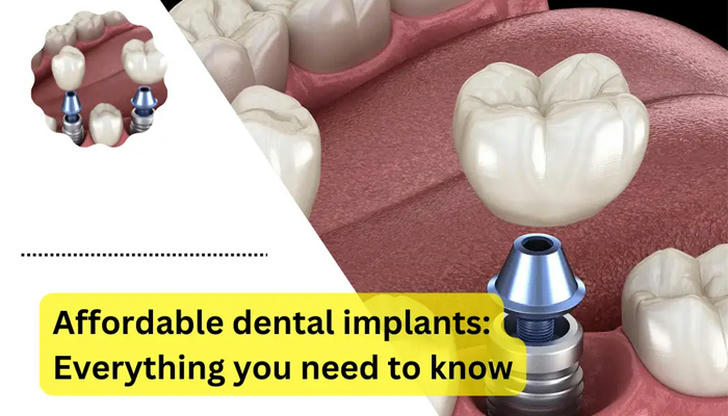
What Is Included in the Cost of Dental Implants?
When evaluating the cost of dental implants, it is important to understand what the overall treatment typically includes:
- Initial consultation and diagnostic imaging
- Surgical placement of the implant
- Implant materials (commonly titanium-based systems)
- Healing and integration period
- Placement of the final crown or restoration
- Follow-up appointments and monitoring
Looking only at the upfront price without understanding these components can lead to misunderstandings about affordability.
Average Cost of Dental Implants in the United States
In the U.S., the cost of dental implants is often discussed in ranges rather than fixed prices. This is because:
- Single-tooth implants differ significantly from multi-tooth or full-arch solutions
- Some patients require preparatory procedures such as bone support treatments
- Long-term durability and maintenance factor into overall value
While dental implants typically involve a higher upfront investment compared to other tooth replacement options, they are often evaluated based on longevity and function rather than short-term cost alone.
Affordable Dental Implant Options Available in the U.S.
Affordability in dental implants does not necessarily mean choosing the lowest price. Instead, affordability is often shaped by structure and planning, such as:
- Treatment plans designed to spread costs over time
- Different implant materials and restoration types
- Regional pricing differences between urban and non-urban areas
- Phased treatment approaches for complex cases
These options allow patients to consider dental implants within a broader financial and medical context.
Cost of Dental Implants by Age Group: Key Considerations
Age plays a significant role in both treatment planning and cost considerations for dental implants.
Ages 20–39: Early Tooth Loss and Long-Term Planning
Younger adults may seek dental implants due to injury, congenital conditions, or early tooth loss. For this group:
- Long-term durability is often a priority
- Implant selection may focus on longevity over immediate cost
- Early intervention can reduce future complications
Although the upfront cost may appear high, implants are often considered a long-term solution at this stage of life.
Ages 40–54: Balancing Function and Appearance
This age group often places equal importance on function and aesthetics. Cost considerations may include:
- Single versus multiple implants
- Potential need for additional procedures due to bone changes
- Long-term maintenance planning
Dental implants at this stage are frequently evaluated as both a functional and lifestyle investment.
Ages 55–64: Pre-Retirement Financial Considerations
Individuals approaching retirement often assess dental implant costs alongside broader financial planning. Key factors include:
- Overall oral health and medical history
- Preference for long-lasting solutions before retirement
- Planning for future healthcare expenses
Cost discussions at this stage often focus on stability and minimizing the need for repeated dental work.
Ages 65 and Older: Fixed Income and Medical Factors
For older adults, affordability is closely tied to fixed income considerations and overall health:
- Treatment plans may be influenced by medical conditions
- Long-term reliability can reduce ongoing dental expenses
- Comparing implants with other tooth replacement options becomes essential
Dental implants for this age group are often assessed based on comfort, function, and long-term value rather than initial price alone.
Dental Implants vs Other Tooth Replacement Options
| Option | Upfront Cost | Longevity | Ongoing Maintenance |
|---|---|---|---|
| Dental implants | Higher | Long-term | Lower |
| Dental bridges | Moderate | Medium-term | Moderate |
| Dentures | Lower | Shorter-term | Higher |
This comparison highlights why many people continue to research dental implants despite higher initial costs.
Insurance, Financing, and Payment Considerations
In the United States, dental insurance coverage for implants varies widely. Cost considerations may involve:
- Partial coverage or exclusions under dental plans
- Out-of-pocket expenses
- Structured payment plans offered by providers
- Medical financing options designed for healthcare procedures
Understanding these elements can significantly influence how affordable dental implants appear over time.
Common Questions About the Cost of Dental Implants
Why are dental implants more expensive in the U.S.?
Costs reflect medical expertise, materials, regulatory standards, and multi-stage treatment processes.Are affordable dental implants reliable?
Affordability depends on treatment design and planning rather than price alone.Does age affect the cost of dental implants?
Age can influence treatment complexity and planning, which may impact cost.How long do dental implants typically last?
With proper care, implants are designed for long-term use.
Is Choosing Affordable Dental Implants Worth It?
Choosing dental implants involves balancing cost, longevity, health factors, and personal priorities. While the upfront cost of dental implants can be significant, many individuals evaluate affordability based on long-term value, comfort, and functionality.
There is no universal solution that fits every age group or financial situation. Understanding how dental implant costs work—and how they relate to age-specific needs—helps individuals approach this decision with greater clarity and confidence.