
Government Funded HGV Training Courses and Driver Training
Many individuals looking to become HGV drivers are often concerned about the costs involved and how to begin a career in the haulage sector. Government funded HGV training courses offer a practical solution, easing financial barriers and providing structured, recognised HGV driver training for those new to the industry or returning after a break. With support from national Skills Bootcamps and apprenticeship schemes, aspiring drivers can develop essential skills, gain necessary qualifications, and follow a clear pathway towards a professional HGV driving career.
Contents
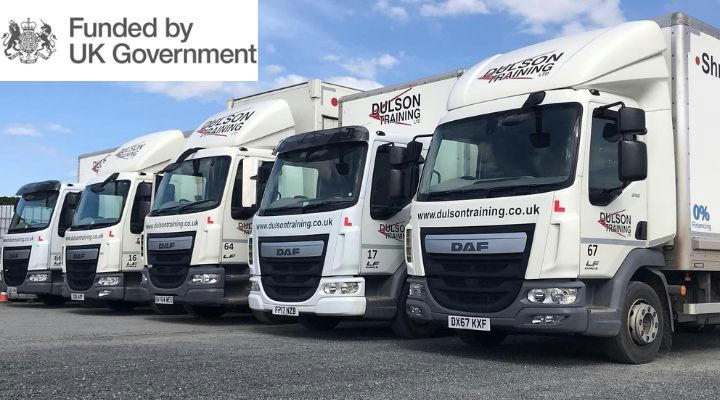
Understanding Government Funded HGV Driver Training Pathways
There are two prominent routes for government funded HGV training: Skills Bootcamps and apprenticeships. Both pathways are designed to prepare individuals for a range of roles in the transport and logistics sector.
Key features of HGV driver training include:
- Comprehensive preparation for the requirements of HGV driving, including theoretical and practical training
- Opportunities to upgrade licences through HGV Class 1 training or add specialist qualifications, such as transporting hazardous goods or towing larger trailers
- Courses delivered by recognised HGV training providers across the country
- Emphasis on professional conduct and compliance with UK road safety and transport regulations
These structured training programmes ensure that new drivers and those returning to the industry develop both the core knowledge and hands-on experience necessary for a successful HGV driving career.
How Government Funding Supports HGV Training
Government initiatives help reduce the financial barriers associated with HGV driver training.
Key aspects of government funded HGV training support include:
- Skills Bootcamps may cover costs related to the provisional HGV licence, medical examination, and all four Driver Certificate of Professional Competence (CPC) tests (including one re-sit per test)
- HGV apprenticeships provide paid, on-the-job learning, with structured training included as part of employment; some programmes may involve minimum service periods and conditions if ended early
- Broader access to HGV training courses for individuals aged 18 or over, who are not in full-time education and hold a full car (category B) driving licence
These support structures make HGV driver training more accessible while helping to address industry demand.
Core Skills and Competencies Developed in HGV Training
Structured HGV driver training focuses on building a well-rounded set of competencies essential in the logistics industry.
| Area | Details |
|---|---|
| Health & Safety | Road safety practices, vehicle checks, compliance with UK transport law |
| Driving Skills | Safe handling of vehicles through HGV Class 1 training, defensive driving, route planning |
| Technical Knowledge | Understanding vehicle systems, load securing, tachographs, and digital tools |
| Professionalism | Communication, responsibility, punctuality, and adaptability |
These competencies are key outcomes of government funded HGV training courses and are highly valued by employers.
Duration and Structure of HGV Training Programmes
Most government funded HGV training courses combine practical experience with structured learning.
Typical programme structure includes:
- Skills Bootcamps lasting up to 16 weeks, combining classroom learning with practical HGV driver training
- HGV apprenticeships that allow paid, real-world experience while completing qualifications
- Assessment through theory tests, practical driving demonstrations, and performance evaluations
Completing these programmes can open pathways to advanced roles, including HGV Class 1 training and specialist driving qualifications.
Accessing HGV Training Providers and Resources
For those interested in government funded HGV training, accessing reliable providers and resources is essential.
Helpful steps include:
- Applying directly to recognised HGV training providers offering Skills Bootcamps or apprenticeships
- Searching for HGV driver training courses via national career platforms
- Discussing individual requirements with providers, including any health-related adjustments
- Using digital learning tools to support flexible study during HGV training
These steps help ensure successful completion of HGV driver training and a smooth transition into employment.
Completing government funded HGV training courses provides a structured pathway into the logistics sector. Through professional HGV driver training, individuals gain the technical skills, safety awareness, and practical experience required for a stable and rewarding HGV driving career in the UK.