
⭐ CNA: A Complete Guide to Online Fast-Track Programs & Accelerated Entry
Complete all required coursework in as little as 4 weeks!
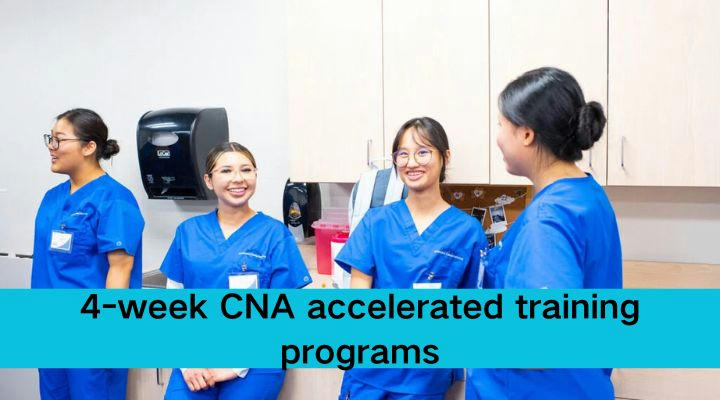
Looking to start a healthcare career? Newly launched 4-week CNA accelerated training programs are now available. These programs use an intensive “online theory + in-person practical training” model, allowing learners to complete all state-required training hours within just one month and be fully prepared for the subsequent certification examination.
📌 Article Focus
- 4-Week Accelerated Completion: A breakdown of the training rhythm that enables completion within one month
- Certification Transition Guide: How to quickly apply for the state certification exam after finishing the course
- Paid Training Pathways: How employer sponsorships may be used to help offset tuition costs
🔍 CNA Training: Core Requirements for Accelerated Certification
CNA programs are designed to prepare individuals with foundational skills for roles in hospitals and long-term care facilities. Below are the key requirements for fast-track entry:
- Accelerated Completion: Many accelerated programs now operate within a 4–8 week timeframe
- Modern Curriculum: Focuses on patient safety, infection control, and vital signs monitoring
- Clinical Practice: Federal regulations require at least 16 hours of supervised clinical practice to develop hands-on caregiving skills
- Certification Eligibility: Programs must be state-approved to ensure direct eligibility for the CNA certification exam
🌟 Hybrid Accelerated Programs: The Ideal Balance of Efficiency and Flexibility
Hybrid CNA fast-track programs significantly streamline the certification process for busy learners:
- Online Flexibility: Complete theoretical coursework through digital learning platforms anytime and anywhere
- Condensed Skills Labs: High-intensity in-person skills training designed to maximize time efficiency
- 30-Day Certification Options: Intensive programs may compress months of training into approximately one month
- Self-Paced Progress: Well-suited for learners balancing training with work or family responsibilities
📊 Leading Accelerated & High-Support CNA Programs (For Reference)
The following institutions are commonly recognized for their 4-week training schedules and strong student support systems:
| School Name | Program Length | Key Feature |
|---|---|---|
| Highline College | 4 weeks | Top-tier clinical internship partnerships |
| Eastern Iowa Community College | 4 weeks | Extensive government grant support for eligible students |
| Alexandria Technical & Community College | 4 weeks | Employer-linked hiring programs |
| Johnson County Community College | 4 weeks | Hybrid schedules with specialized career tracks |
💼 Financial Support: Cost-Reduction & Employer-Sponsored Pathways
Training costs should be carefully evaluated. The following financial strategies are commonly associated with CNA training:
- Employer Sponsorship (Paid Training Models): Many long-term care facilities contribute toward tuition costs in exchange for future employment commitments
- State Government Funding: Public funding is often allocated to support training for high-demand healthcare roles
- Institutional Grants: Schools such as Eastern Iowa and Alexandria Technical & Community College offer designated financial assistance to reduce out-of-pocket expenses
- Education Tax Credits: Applicable tax incentives may help offset a significant portion of training-related costs
🎯 Immediate Steps Toward a Healthcare Career
After completing CNA training, individuals typically follow this pathway:
- State Certification Exam: Pass both the written and practical skills components
- Professional Registration: Register with the state nurse aide registry
- Employment Entry: Apply for roles in hospitals, assisted living facilities, or home care settings
- Career Advancement Pathway: CNA experience can serve as a foundation for future education toward LPN (Licensed Practical Nurse) or RN (Registered Nurse) programs
This streamlined pathway enables learners to enter the healthcare workforce efficiently while building credentials that support long-term professional development ✅