
How Much Does a New Roof Cost in 2026? Complete Homeowner Pricing Guide
A new roof is one of the biggest investments a homeowner may face. Whether your roof has started leaking, suffered storm damage, or simply reached the end of its expected lifespan, one of the first questions most homeowners ask is:
How much does a new roof cost?
The answer depends on several factors, including the size of your home, roofing materials, location, labor costs, and the condition of your existing roof.
Understanding the costs involved can help you make better decisions before contacting roofing professionals.
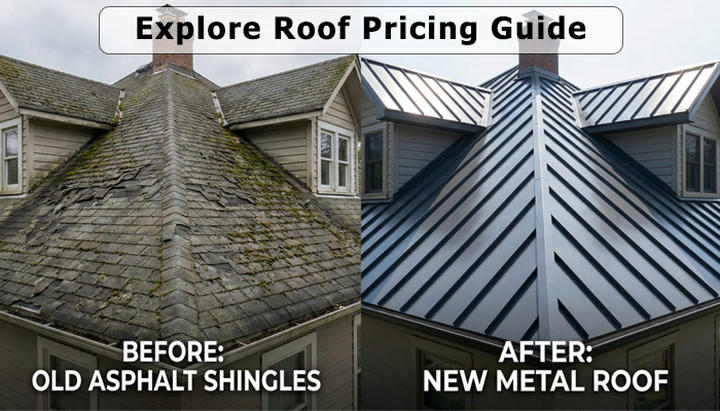
Average Cost of Replacing a Roof
The cost of a new roof can vary significantly depending on your home and the materials you choose.
Some common factors that influence pricing include:
- Roof size and complexity
- Type of roofing material
- Removal of the old roof
- Local labor costs
- Structural repairs
- Permits and inspections
A small, simple roof replacement may cost significantly less than a large home with multiple roof sections, steep angles, or premium materials.
7 Factors That Affect Your Roof Replacement Cost
1. Roof Size
One of the biggest pricing factors is the total roof area.
Larger homes require:
- More materials
- More labor hours
- More installation time
A roofing estimate usually starts with measuring the total roof surface area.
2. Roofing Material Choice
Different materials have very different price ranges.
Common roofing materials include:
- Asphalt shingles
- Metal roofing
- Tile roofing
- Wood shingles
- Premium roofing systems
Many homeowners compare materials based on:
- Initial cost
- Durability
- Maintenance needs
- Expected lifespan
3. Roof Design and Complexity
A simple roof design is usually easier and faster to replace.
Costs may increase when a roof includes:
- Multiple levels
- Steep slopes
- Skylights
- Chimneys
- Difficult access areas
4. Removing the Existing Roof
Some projects require removing old roofing materials before installing a new roof.
This may add costs related to:
- Labor
- Disposal
- Additional preparation work
5. Local Labor Costs
Roofing prices vary significantly by location.
Factors include:
- Local demand
- Contractor availability
- Regional building requirements
- Weather conditions
Homeowners in areas with frequent storms or extreme weather may see higher demand for roofing services.
6. Storm Damage and Repairs
Roof replacement is sometimes caused by:
- Hail damage
- Wind damage
- Water leaks
- Fallen branches
Before replacing a roof, many homeowners first schedule an inspection to determine the actual condition of the roof.
7. Warranty and Installation Quality
The lowest price is not always the best option.
Homeowners often compare:
- Contractor experience
- Warranty coverage
- Materials used
- Customer reviews
Roof Repair vs Roof Replacement: Which One Makes Sense?
Many homeowners wonder:
“Should I repair my roof or replace it completely?”
A repair may make sense when:
- Damage is limited
- The roof is relatively new
- The issue is localized
Replacement may make sense when:
- The roof is near the end of its lifespan
- Problems continue appearing
- Damage is widespread
- Repair costs keep increasing
A professional roof inspection can help determine the best option.
How To Prepare Before Getting a Roofing Estimate
Before contacting a roofing company, homeowners should consider:
Check for visible warning signs
Look for:
- Missing shingles
- Water stains
- Sagging areas
- Damaged flashing
- Excessive granules in gutters
Compare multiple estimates
A quality estimate should explain:
- Materials
- Labor
- Timeline
- Warranty
- Additional costs
Frequently Asked Questions
How long does a roof replacement take?
Many residential roof replacements can be completed within several days, depending on weather, roof size, and project complexity.
How often should a roof be replaced?
The lifespan depends on materials, installation quality, climate, and maintenance.
Is roof replacement covered by insurance?
Insurance coverage depends on the cause of damage and the terms of the homeowner policy.