
Government supported Paid Welder Courses
High tuition costs and uncertain job prospects keep many people from entering the skilled trades. Government supported Welder Courses offer a different path — Welding Training Programs that combine paid apprenticeships with classroom instruction. Instead of paying lots to learn, participants earn wages while gaining real-world experience.
What Are Government Supported Welder Courses?
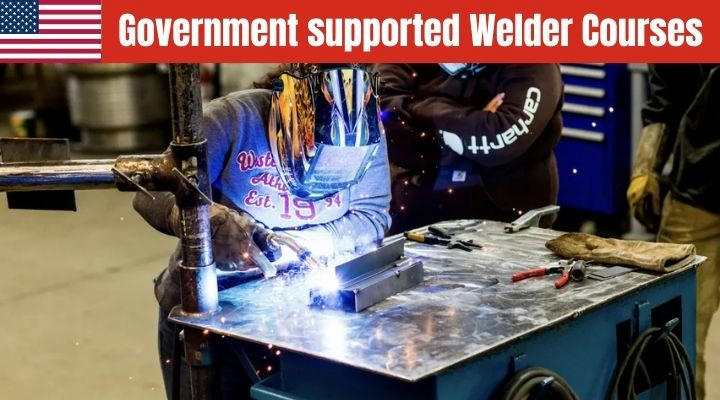
Government supported Welder Courses are workforce-backed training pathways designed to reduce financial barriers and prepare individuals for employment in the welding industry.
A typical Welding Program includes:
- Paid on-the-job training under experienced welders
- Scheduled classroom instruction covering safety and welding techniques
- Skill development in blueprint reading and trade math
- Industry-recognized credentials upon completion
These structured Welding Training Programs align education directly with employer needs, helping participants transition smoothly into full-time roles.
Benefits of a Welding Training Program
Choosing Government supported Welder Courses provides several practical advantages:
- Earn income while completing your Welding Program
- Minimize or avoid student loan debt
- Gain hands-on, real jobsite experience
- Receive wage increases as skills improve
- Build long-term earning potential in a skilled trade
Because many Welding Training Programs follow registered apprenticeship standards, graduates leave with both experience and credibility.
Who Should Consider a Welding Program?
A structured Welding Program is ideal for:
- High school graduates seeking a trade career
- Adults considering a career change
- Individuals looking for stable, skill-based employment
- Veterans or workers eligible for workforce funding
Most Government supported Welder Courses require applicants to be at least 18 years old with a high school diploma or GED. Strong work ethic and willingness to learn hands-on skills are essential.
How to Apply for Government Supported Welder Courses
To enroll in Welding Training Programs, candidates can:
- Contact local workforce development offices for apprenticeship listings
- Explore community colleges offering a certified Welding Program
- Research union or employer-sponsored training options
- Check eligibility for grants or veteran education benefits
Application steps for Government supported Welder Courses may include submitting transcripts, completing aptitude assessments, and attending interviews.
Summary
Government supported Welder Courses provide a financially accessible pathway into the welding trade. Through structured Welding Training Programs, participants earn wages, gain practical experience, and obtain recognized credentials simultaneously.
For individuals seeking stability and long-term growth, a well-designed Welding Program offers a direct and achievable route into a high-demand skilled profession.