
How to Choose a Reliable Pest Control Service From Pricing And Safety To Long Term Protection
When cockroaches, mice or termites move into a home or business, spray cans from the store often only kill what is visible and can create new risks for children and pets. Professional pest control can work better, but the market is confusing. Prices vary a lot, contracts are hard to read and safety claims are not always clear. This guide offers a practical checklist to help decide when to call professionals, how to read quotes and contracts, how to judge product safety and how to avoid paying again and again for the same problem.
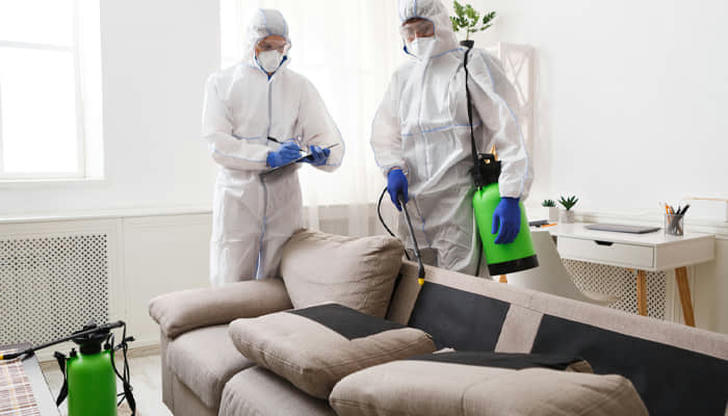
1) First Decide When Professional Pest Control Is Necessary Instead Of Do It Yourself
Minor issues that can be seen and reached are sometimes manageable with do it yourself methods. Other situations call for professional help because of health risks, building damage or infestation scale.
Small problems that might be handled alone
For limited and visible pests many public health agencies accept do it yourself as an option if instructions are followed carefully. Examples
• A few ants in the kitchen that respond to cleaning and bait stations
• Occasional house spiders that can be removed physically
• A small number of pantry moths controlled by throwing away infested food and cleaning shelves
The Environmental Protection Agency EPA advises using integrated pest management which starts with sanitation and sealing entry points before using chemicals.
Situations where professional service is strongly recommended
Health and building experts warn that certain pests are linked to serious risks
• German cockroaches and asthma Cockroach allergens are strongly associated with childhood asthma according to the National Institutes of Health. High infestation levels in kitchens or bedrooms usually need professional treatment plus cleaning.
• Rodents and disease The Centers for Disease Control and Prevention note that rodents can carry hantavirus and other pathogens through droppings and urine. If droppings are found widely or rodents are seen in the daytime that often signals a larger infestation.
• Termites and structural damage The US Department of Agriculture reports that termites cause billions of dollars in property damage each year nationwide. Any sign of mud tubes, hollow sounding wood or swarms of termite like insects indoors is a reason to call a licensed pest control operator.
• Bed bugs and spread Bed bugs are difficult to eliminate with store products. The EPA and many university extension services state that most bed bug cases require professional methods such as targeted insecticides or heat treatment.
Red flag situations
Professional help should be considered urgent when
• Pests are seen in food storage or food preparation areas
• Bites, rashes or allergic reactions appear and pests are suspected
• There are infants, pregnant people, older adults or immunocompromised family members
• The same pest keeps returning after several do it yourself attempts
2) Look At Plan And Pricing One Time Or Annual Service Do Not Focus Only On A Flat Fee
Pest control quotes can look simple on the surface but the details matter more than the headline price.
Understand common pricing models
Industry surveys and consumer reports in the United States show several typical structures
• One time treatment Often used for a specific problem such as a wasp nest or a small ant issue. National averages often range from a little over one hundred dollars to several hundred dollars depending on the pest and size of the property according to consumer cost surveys.
• Initial visit plus follow ups For cockroaches bed bugs or serious rodent issues companies often propose an intensive first visit plus two or three follow ups over a few months.
• Ongoing or annual plans These plans usually include quarterly or bi monthly visits to monitor and prevent pests such as ants spiders and rodents. Surveyed prices often fall in the low hundreds of dollars per year for typical homes but can rise for larger buildings or added termite coverage.
What to check in a quote
Instead of only asking how much ask
• Which pests are covered Ants only or a broad list including roaches rodents and spiders
• How many visits are included and how long the coverage lasts
• What happens if pests return between visits Are extra visits included or charged separately
• Whether interior and exterior areas are both treated
• Whether inspection of attics basements and crawl spaces is included
Guarantees and fine print
Some companies advertise strong guarantees but the conditions matter. Questions to ask
• How long does the guarantee last for example 30 days or one year
• What actions are required from the customer such as cleaning or sealing cracks for the guarantee to apply
• Are certain pests excluded from the guarantee such as bed bugs or termites
Consumer protection agencies advise getting all promises in writing including retreatment policies and any limits.
3) Products And Safety How To Check Relative Safety For Family Pets And Food Areas
No pesticide is completely risk free but risks can be reduced by product choice and proper use.
Read the product class and signal words
The EPA requires pesticide labels to display signal words that show acute toxicity category
• Caution indicates lower immediate toxicity
• Warning indicates moderate toxicity
• Danger indicates high toxicity
For homes with children or pets many experts recommend preferring products with the word Caution when effective options exist and using the lowest effective dose.
Ask which active ingredients are used
Common classes in structural pest control include
• Pyrethroids such as deltamethrin and bifenthrin These are synthetic versions of compounds found in chrysanthemum flowers and are widely used for ants and roaches.
• Neonicotinoids such as imidacloprid Often used in baits for certain pests.
• Insect growth regulators IGRs such as methoprene These disrupt insect development and are considered lower risk to humans when used correctly.
The EPA registration number on each product can be used to look up the label and safety information through EPA resources.
Application method matters
Risk depends not only on the chemical but also on how it is applied
• Targeted baits and gels These are placed in cracks or bait stations and generally result in lower exposure to people and pets.
• Crack and crevice treatments These limit spray to hidden areas rather than broad surfaces.
• Broadcast spraying inside living areas increases the chance of contact and is less favored by many modern integrated pest management programs unless clearly needed.
Household and pet precautions
Before treatment ask the technician
• Whether people or pets need to leave certain rooms and for how long
• How long to wait before mopping or wiping treated areas
• How food dishes toys and baby items will be protected
The American Veterinary Medical Association advises removing pet food bowls and toys during treatment and keeping pets away until surfaces are dry.
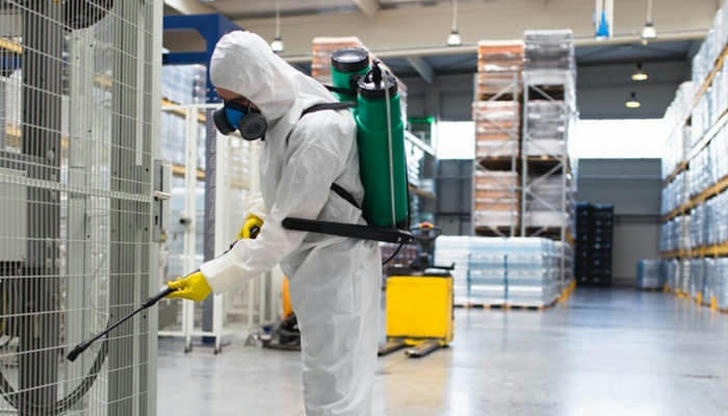
4) Choosing A Company Licenses Reputation And Process Common Traits Of Reliable Providers
A reliable pest control provider typically shows clear credentials transparent communication and a structured process.
Check licensing and professional training
In the United States structural pest control companies and technicians must hold state level licenses and follow EPA rules on pesticide use. Consumers can
• Ask for the license number of the company and the individual technician
• Confirm whether the company participates in recognized training programs or belongs to professional associations such as national pest management organizations which promote standards and ongoing education
Evaluate reputation and complaints
Independent reviews and public records can be useful
• Look for consistent patterns rather than single angry comments for example repeated mentions of missed appointments or surprise charges
• Check whether there are unresolved complaints with consumer protection agencies or better business organizations
• Ask neighbors or other business owners about their experiences especially for long term termite or rodent control
Assess the inspection and communication style
During an initial visit a trustworthy technician usually
• Conducts a detailed inspection including exterior foundation and likely entry points
• Identifies the pest species or explains how confirmation will be done
• Explains the treatment plan in plain language including products to be used and expected timeline
• Describes what the customer needs to do such as decluttering or sealing gaps
High pressure sales tactics such as insisting on signing a long contract immediately or using fear of extreme damage without evidence are warning signs.
Understand contract length and cancellation
For ongoing plans ask
• Whether the agreement is month to month or for a fixed term
• How cancellation works and whether there are fees
• Whether prices can increase during the term and how notice is given
Consumer advocates often recommend avoiding long contracts unless there is a clear benefit such as termite protection with regular inspections.
5) Follow Up And Prevention How To Work With The Service To Extend Results And Reduce Recurrence
Pest control is most effective when combined with environmental changes that make the space less attractive to pests.
Cooperate with preparation and follow up instructions
Technicians often provide preparation checklists. Common elements
• For cockroaches Empty and clean kitchen cabinets and reduce clutter so that baits can be placed effectively
• For bed bugs Wash and heat dry bedding and clothing and reduce hiding spots
• For rodents Store food in sealed containers and allow access to attics or crawl spaces for sealing entry points
Following these steps can significantly improve results and may be required for any guarantee.
Adopt long term prevention habits
Public health agencies and university extension services consistently highlight basic measures
• Food and waste management Clean up spills quickly store food in sealed containers and take out trash regularly
• Moisture control Fix leaks and reduce standing water since many pests thrive in damp conditions
• Physical barriers Seal cracks around doors and windows and install door sweeps and screens
• Clutter reduction Fewer hiding places make it easier to spot issues early and reduce breeding sites.
Schedule inspections and monitor
Even after a successful treatment it is useful to
• Watch for early signs such as droppings small piles of sawdust or new insect activity
• Keep a simple log of what is seen and when to share with the technician
• Consider periodic inspections especially for termites or in buildings with a history of rodent problems
Catching problems early usually lowers both health risks and total cost.
Avoid repeated unnecessary spending
To reduce the chance of being charged repeatedly for the same issue
• Choose services with clear retreatment policies
• Address underlying causes such as gaps in walls or chronic moisture instead of relying only on chemicals
• Review the property once or twice a year for conditions that attract pests and fix them proactively
By combining a careful choice of provider with basic prevention habits long term pest control becomes more effective more predictable and safer for people pets and property.