
Local Laundry And Dry Cleaning Guide: How To Choose Shops, Save Money And Protect Clothes
Handing clothes to a local cleaner often brings worries about color fading, shrinking or surprise charges. This guide walks through how to choose services, understand what really needs dry cleaning, read common care symbols, compare prices and extra fees, protect valuable pieces and use pickup and delivery services more safely.
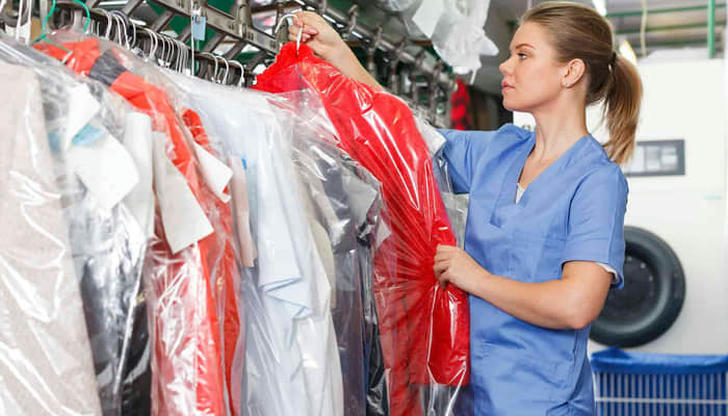
1️⃣ Clarify What You Really Need: Laundry Vs Dry Cleaning Vs Pressing
Everyday clothes do not always need the most expensive service. 💡 Knowing the basics helps avoid overpaying or damaging fabrics.
🔹 Daily laundry vs dry cleaning
Machine or hand washing with water and detergent works for most cotton, polyester and many blends. Dry cleaning uses chemical solvents instead of water and is meant for delicate fabrics and structured garments.
The American Cleaning Institute notes that many items labeled dry clean are actually dry clean recommended rather than strictly required if care symbols allow gentle washing.
🔹 Clothes that usually should be dry cleaned
- Suit jackets and tailored blazers
- Lined skirts and pants that lose shape in water
- Most wool coats and structured dresses
- Many silk blouses and dresses
- Some rayon and viscose pieces that shrink or distort in water
If a label shows a circle symbol only and no water tub symbol ✅ that indicates professional cleaning is expected.
🔹 Clothes that are usually safer with water washing
T shirts, jeans, underwear, sportswear, cotton shirts and most bedding are designed for water.
The Federal Trade Commission requires care labels to give a safe cleaning method. If the label shows a tub with water and no dry clean only wording, gentle machine wash or hand wash is typically safe.
🔹 Different items and suitable services
Business wear
Shirts can be laundered and pressed on professional shirt machines which is cheaper than dry cleaning and gives crisp results. Suits and jackets usually go to dry cleaning.Home textiles
Comforters and duvets often need large commercial washers. Many can be water washed on gentle cycles if the label allows. Heavy curtains may need professional cleaning because of lining and length.Leather and suede
These should go to specialists that handle leather only since common dry cleaning solvents and methods can dry out or stain leather.
📌 Quick symbol cheat sheet
| Symbol | Meaning |
|---|---|
| Tub symbol | Water washing allowed |
| Tub with hand | Hand wash only |
| Circle | Dry cleaning allowed |
| Circle with letter like P or F | Solvent type for cleaners |
| Triangle | Bleach allowed |
| Triangle with lines | Non chlorine bleach only |
| Square with circle | Tumble dry allowed |
| Iron symbol with dots | One to three dots show temperature |
When in doubt and if the piece is expensive or sentimental, professional advice is safer than experimenting at home. ⚠️
2️⃣ How To Judge Whether A Local Cleaner Is Reliable
A short visit and a few questions often reveal more than a long price list. 🔍
🔹 What to observe in the shop
Air quality
A strong smell of solvent in the customer area can signal poor ventilation or older equipment. Modern dry cleaning machines are designed to limit solvent emissions according to US Environmental Protection Agency standards.Cleanliness
Counters, racks and floors should look reasonably clean and organized. Piles of untagged clothes or visible stains on equipment suggest poor handling.Equipment and zoning
Many shops send items to a central plant. If equipment is visible it should look maintained without obvious leaks. Clean and dirty items should be clearly separated to avoid cross contamination.
🔹 Key questions to ask
Is cleaning done on site or sent out?
If items are shipped to a plant it can affect turnaround time and who handles complaints.Are clothes washed separately or mixed with others?
Some shops offer individual loads for a higher price while many use mixed loads sorted by color and fabric.What is the damage policy?
Ask about written rules for lost or damaged garments. Industry groups such as the Drycleaning and Laundry Institute suggest compensation often relates to current value, not original price.
🔹 How to read online reviews
Look at both overall star rating and recent comments.
- A pattern of complaints about lost items or strong chemical odor is more meaningful than one isolated negative review.
- Repeated similar phrases and many very short reviews in a short time window can hint at manipulated ratings.
🔹 Chains vs independent shops
Chain brands
Often provide standardized processes, training and clearer policies but may be less flexible about special requests.Independent shops
May offer more personal service and custom stain work but quality can vary. Ask to see examples of their work on delicate fabrics before handing over expensive items.
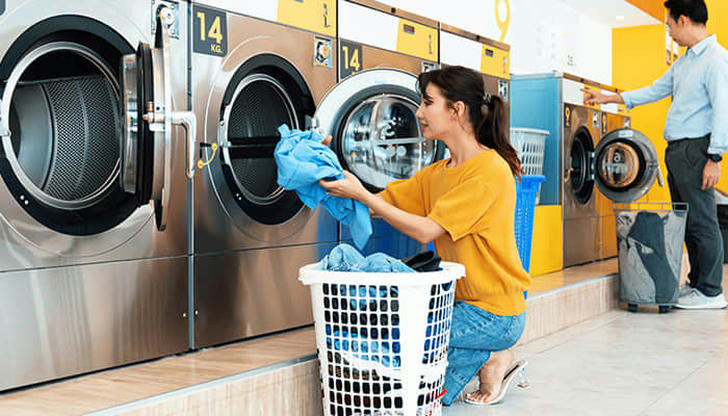
3️⃣ Price, Turnaround And Extra Services: Avoid Hidden Costs
Prices vary widely across the United States but the structure usually follows a few patterns. 💵
🔹 Common pricing methods
Per piece
Suits, dresses, coats and formal wear are typically priced individually.By weight
Wash and fold services usually charge per pound. Consumer surveys from US urban areas often show a band of a little over one dollar to a few dollars per pound depending on service level.By fabric or complexity
Delicate fabrics, heavy items and special finishes often cost more because they require manual work.
🔹 Typical extra fees
- Rush service: Same day or next day often adds a percentage or a flat fee per order.
- Stain removal: Some stains such as wine, oil or ink need extra chemicals and time so many shops charge separately if the stain is severe.
- Starch or sizing: Shirts with light, medium or heavy starch may have small add ons.
- Pickup and delivery: Some services include this in overall pricing while others add a trip fee or minimum order amount.
🔹 How to compare and spot odd pricing
Request a simple written or photographed price list for common items like shirts, pants, dresses, coats and wash and fold. 📸
Compare two or three shops on a few identical items rather than on one special piece. Extremely low prices compared with local averages can mean lower quality chemicals, less attention to stains or aggressive volume handling.
🔹 Cost saving tips
Bundle items
Larger loads for wash and fold usually give better value per pound than frequent small bags.Choose the right frequency
Everyday casual clothes can often be washed at home while business shirts or bulky bedding go to professional service less often.Combine services
For example launder and press shirts while dry cleaning only jackets to cut costs without sacrificing appearance. ✅
4️⃣ Special Fabrics And High Value Items: How To Reduce Risk
Delicate and expensive garments deserve extra attention before and during cleaning. 💼
🔹 Fabric specific tips
Wool and cashmere
Use cleaners familiar with gentle solvents and low temperature drying. The International Wool Textile Organization notes that agitation and heat are main causes of felting and shrinkage.Silk
Avoid strong spot treatments at home since many stain removers can strip color. Inform the cleaner about deodorant or perfume marks which may require special handling.Down and feather
Jackets and comforters need thorough drying to avoid clumping and odor. Large commercial dryers with low heat are often safer than small home machines.Leather and suede
Choose a specialist that can condition leather after cleaning to prevent stiffness and cracking.
🔹 Colorful prints and trims
Bright prints and dark colors can bleed in both water and solvent. Ask if the shop tests for colorfastness on hidden areas.
Garments with sequins, beads or metal decorations may need to be placed in protective bags or partially covered before cleaning.
🔹 What to do before handing items over
- Take clear photos of the item including existing wear, stains or loose threads.
- Point out specific stains and how they were caused such as wine, oil, makeup or ink since this affects treatment choice.
- Remove belts, removable fur trims, detachable buttons and personal items from pockets.
🔹 If something goes wrong
Most cleaners follow guidelines similar to those promoted by industry associations which often base compensation on estimated remaining life of the garment.
Keep the receipt and care label. Calmly describe the issue and show before and after photos if available.
If agreement is not reached, consumers can contact local consumer protection agencies or small claims court for higher value disputes. ⚖️
5️⃣ Online Laundry Platforms And Pickup Services: Who They Suit And How To Use Them Safely
Digital booking and door to door services have become common in many US cities especially for busy households. 📲
🔹 How the process usually works
Order creation
Clothes are scheduled for pickup through an app or website with chosen services such as dry cleaning, wash and fold or special care.Pickup and sorting
Items are collected, grouped by service type and sent to partner plants.Cleaning and delivery
Clothes are cleaned, pressed and returned within a chosen window.
🔹 Who benefits most
- People with limited time or mobility
- Households without in unit washers
- Customers with large bulky items such as comforters or seasonal storage pieces
🔹 Checking platform and shop reliability
Look for clear information on who actually cleans the clothes, the platform or a partner plant, and who is responsible for loss or damage.
Terms should spell out limits of liability and timelines for claims. Consistent detailed reviews that mention reliability of pickup and delivery times are useful signals.
🔹 Packing and privacy tips
- Place clothes in a clean bag and separate delicate items.
- Attach written notes for special instructions such as gentle cycle, low heat or do not crease.
- Remove all personal objects from pockets including documents and electronic devices.
- For sensitive items like work uniforms or medical garments consider opaque bags to avoid exposing details during handling.
🔹 Balancing distance, time, price and quality
Shorter transport distances can reduce delays and handling steps.
A slightly higher price from a service with reliable timing and clear policies can be better value than the lowest quote.
For ongoing use, start with a small test order to evaluate stain removal quality, smell of returned clothes, pressing quality and accuracy of item counts before trusting the service with high value garments. ✅